
It’s been a while since the last update, but this doesn’t mean nothing has happened! Below, I give a short summary.
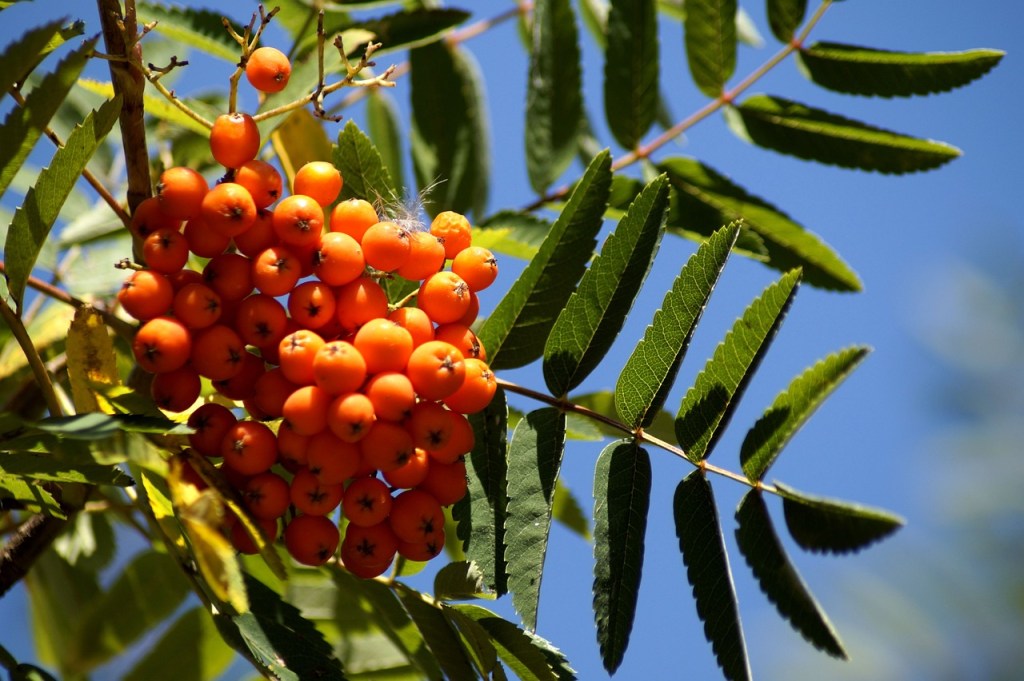
Rowan tree
First and foremost, I became a mom! Our little boy Rowan was born in March this year and we greatly enjoy his wonderful addition to our family.

Sea turtles
I was granted an NWO Open Competition grant to study the causes and functional consequences of sea turtle hybridisation in the Caribbean. I will work with a wonderful team of genomics and sea turtle experts. Why is this interesting?
Hybridization within sea turtles has been observed for over 130 years but its implications for their future are unsure. During hybridization two different species mate and their offspring receive a mixture of the parental species’ genes. This additional genetic variation could help the endangered turtles adapt to the changing environment. However, it could also affect their important roles within the ecosystem. We want to fill in those crucial knowledge gaps on sea turtle hybridization and contribute to making scientifically informed decisions on the conservation management strategies of sea turtles.

Methods in animal behaviour
With pleasure I contributed to a book on methods to study animal behaviour. In this book, we cover general principles, experimental design, how to quantify animal behaviour, potential biases to watch out for, technical tools one could use and a few basics in data analysis and presentation. Have a look!: Methods in Animal Behaviour | SpringerLink
Bat migration and exploration
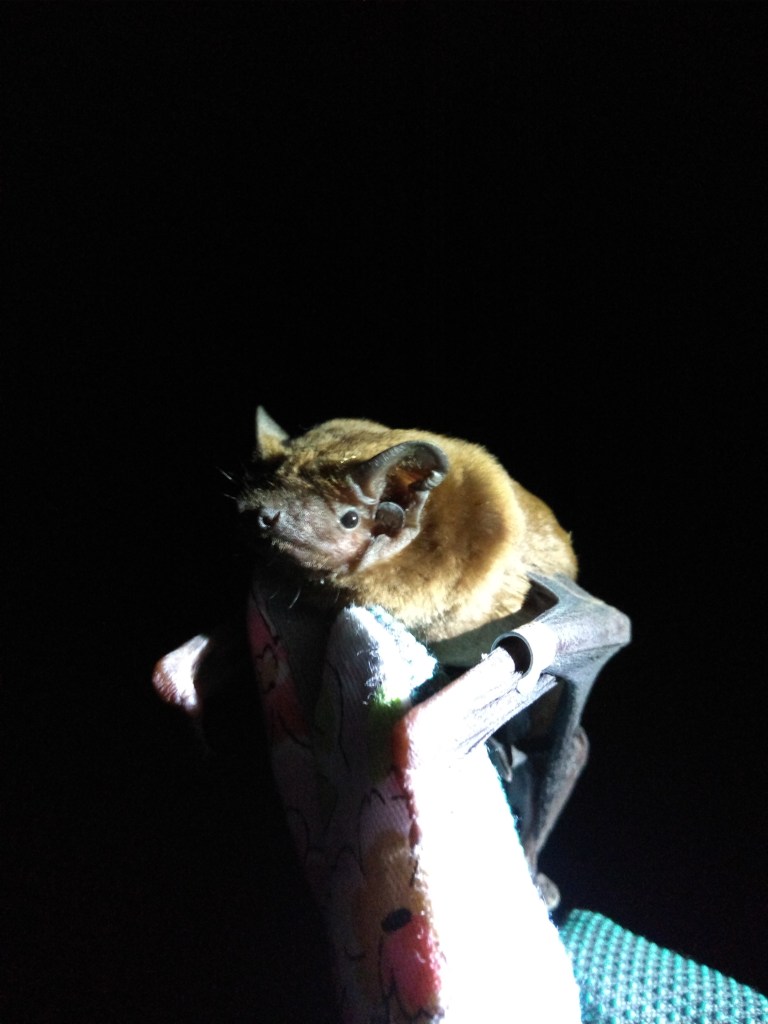
I published a new bat paper in the journal Behavioral Ecology & Sociobiology! I am very happy that this paper came out. It is based on my postdoc work at the Leibniz-IZW in Berlin. The amazing Theresa Schabacker is in the lead. Back then Theresa was my Master student and now she is leading her own PhD project on personality in tropical bats!
This paper examines partial migration & exploratory behaviour in noctule bats. Local bats were more likely than migrants to emerge into a novel environment, yet they did not differ in spatial & acoustic exploration activity. More info: Behavioral correlates of migration in bats – do migration strategies predict responses to a novel environment?
Advances in wildlife behaviour and conservation
I co-authored a Forum and Opinion article in the journal Trends in Ecology & Evolution on novel technical developments in wildlife research and evidence synthesis for conservation.
Edge computing
“Modern sensor technologies increasingly enrich studies in wildlife behavior and ecology. However, constraints on weight, connectivity, energy and memory availability limit their implementation. With the advent of edge computing, there is increasing potential to mitigate these constraints, and drive major advancements in wildlife studies.” Check out more: Edge computing in wildlife behavior and ecology
AI in evidence synthesis
“Systematic evidence syntheses (systematic reviews and maps) summarize knowledge and are used to support decisions and policies in a variety of applied fields, from medicine and public health to biodiversity conservation. However, conducting these exercises in conservation is often expensive and slow, which can impede their use and hamper progress in addressing the current biodiversity crisis. With the explosive growth of large language models (LLMs) and other forms of artificial intelligence (AI), we discuss here the promise and perils associated with their use. We conclude that, when judiciously used, AI has the potential to speed up and hopefully improve the process of evidence synthesis, which can be particularly useful for underfunded applied fields, such as conservation science.” Check out more: Leveraging AI to improve evidence synthesis in conservation

Behaviour-based interventions for wolves
Master student Thaana van Dessel turned her impressive thesis into a scientific article for the journal Lutra. Through a meta-analysis, she evaluates the effectiveness of behaviour-based interventions in reducing livestock predation by wolves. Conclusion: “Overall, our results suggest that behaviour-based nonlethal measures could be a promising mitigation tool, provided that more research supports these findings. Therefore, we strongly recommend scientists, conservation practitioners and management authorities to collaborate and further research nonlethal interventions, especially investigating efficacy in real depredation scenarios. A more evidence-based approach to human-wolf conflict is essential in building a viable future for wolves, livestock and pastoral activities.”
Note
Above, you see a summary of everything that worked, but not all the things I tried/applied to/submitted that did not work or only worked after many tries. Please keep this in mind! And lots of interesting papers are still in progress, so stay tuned!


 In conservation, often a choice has to be made for the lesser of two evils. How can conservationists cope with such situations of seemingly inevitable loss? Here, we share a personal contribution from Dr Chelsea Batavia, in which she takes us along in the background story of her recent publication

 Dr Lysanne Snijders