Communication, Conservation, Science

Bats, turtles and rowan trees

It’s been a while since the last update, but this doesn’t mean nothing has happened! Below, I give a short summary.
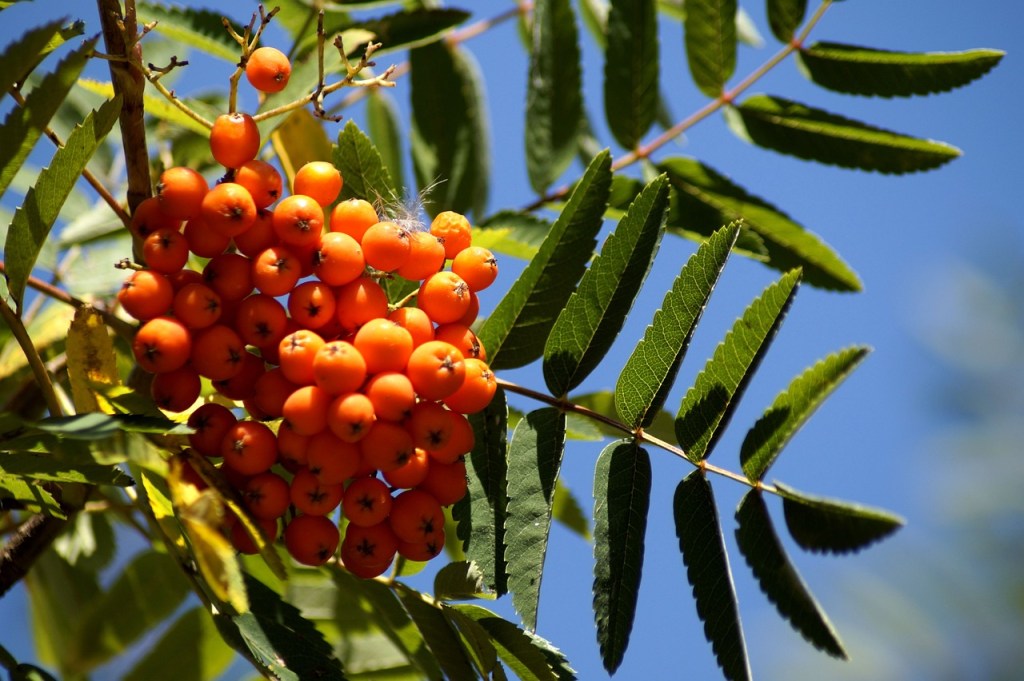
Rowan tree
First and foremost, I became a mom! Our little boy Rowan was born in March this year and we greatly enjoy his wonderful addition to our family.

Sea turtles
I was granted an NWO Open Competition grant to study the causes and functional consequences of sea turtle hybridisation in the Caribbean. I will work with a wonderful team of genomics and sea turtle experts. Why is this interesting?

Hybridization within sea turtles has been observed for over 130 years but its implications for their future are unsure. During hybridization two different species mate and their offspring receive a mixture of the parental species’ genes. This additional genetic variation could help the endangered turtles adapt to the changing environment. However, it could also affect their important roles within the ecosystem. We want to fill in those crucial knowledge gaps on sea turtle hybridization and contribute to making scientifically informed decisions on the conservation management strategies of sea turtles.

Methods in animal behaviour
With pleasure I contributed to a book on methods to study animal behaviour. In this book, we cover general principles, experimental design, how to quantify animal behaviour, potential biases to watch out for, technical tools one could use and a few basics in data analysis and presentation. Have a look!: Methods in Animal Behaviour | SpringerLink
Bat migration and exploration
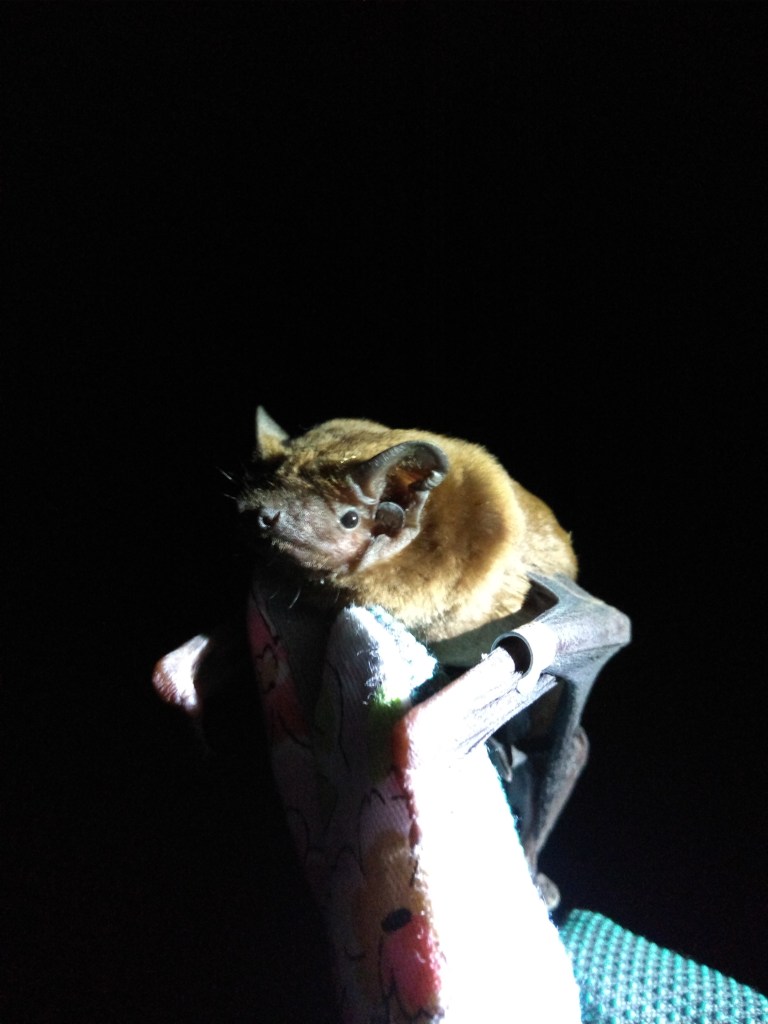
I published a new bat paper in the journal Behavioral Ecology & Sociobiology! I am very happy that this paper came out. It is based on my postdoc work at the Leibniz-IZW in Berlin. The amazing Theresa Schabacker is in the lead. Back then Theresa was my Master student and now she is leading her own PhD project on personality in tropical bats!

This paper examines partial migration & exploratory behaviour in noctule bats. Local bats were more likely than migrants to emerge into a novel environment, yet they did not differ in spatial & acoustic exploration activity. More info: Behavioral correlates of migration in bats – do migration strategies predict responses to a novel environment?

Lead author Bruce Yu on edge computing in wildlife ecology

Advances in wildlife behaviour and conservation
I co-authored a Forum and Opinion article in the journal Trends in Ecology & Evolution on novel technical developments in wildlife research and evidence synthesis for conservation.

Edge computing
“Modern sensor technologies increasingly enrich studies in wildlife behavior and ecology. However, constraints on weight, connectivity, energy and memory availability limit their implementation. With the advent of edge computing, there is increasing potential to mitigate these constraints, and drive major advancements in wildlife studies.” Check out more: Edge computing in wildlife behavior and ecology

AI in evidence synthesis
“Systematic evidence syntheses (systematic reviews and maps) summarize knowledge and are used to support decisions and policies in a variety of applied fields, from medicine and public health to biodiversity conservation. However, conducting these exercises in conservation is often expensive and slow, which can impede their use and hamper progress in addressing the current biodiversity crisis. With the explosive growth of large language models (LLMs) and other forms of artificial intelligence (AI), we discuss here the promise and perils associated with their use. We conclude that, when judiciously used, AI has the potential to speed up and hopefully improve the process of evidence synthesis, which can be particularly useful for underfunded applied fields, such as conservation science.” Check out more: Leveraging AI to improve evidence synthesis in conservation

Behaviour-based interventions for wolves
Master student Thaana van Dessel turned her impressive thesis into a scientific article for the journal Lutra. Through a meta-analysis, she evaluates the effectiveness of behaviour-based interventions in reducing livestock predation by wolves. Conclusion: “Overall, our results suggest that behaviour-based nonlethal measures could be a promising mitigation tool, provided that more research supports these findings. Therefore, we strongly recommend scientists, conservation practitioners and management authorities to collaborate and further research nonlethal interventions, especially investigating efficacy in real depredation scenarios. A more evidence-based approach to human-wolf conflict is essential in building a viable future for wolves, livestock and pastoral activities.”

Note
Above, you see a summary of everything that worked, but not all the things I tried/applied to/submitted that did not work or only worked after many tries. Please keep this in mind! And lots of interesting papers are still in progress, so stay tuned!

Conservation, Science

Animal Behaviour in Conservation Course Started

This week the moment I was looking forward to for some time is finally there: the MOOC on Animal Behaviour in Conservation is running on Edx!

After over a year of preparation and with the help of many people, we (James Savage, Marc Naguib and I) were able to create a free online course that helps participants apply the animal behaviour perspective on conservation challenges. Specifically, we highlight three challenges: rapid environmental change, human-wildlife conflict and wildlife reintroductions.

In this MOOC, we explore key concepts from animal behaviour and apply them to practical wildlife conservation issues. Such behaviour-sensitive management has led to successful conservation interventions:

  • A wind farm with technology warning for migrating birds decreased soaring bird mortality to zero with a shutdown period of only 0.2–1.2%.
  • A livestock grazing strategy avoiding cheetah communication hubs reduced livestock losses with 86%.
  • A mammal translocation program taking neighbour relations into account led to 24 times more offspring for translocated individuals.

Through informative knowledge clips, case studies, interviews, and practical assignments, participants learn how to use animal behaviour in conservation to effectively monitor threats, increase their understanding of the diverse responses to environmental change, and design innovative interventions.

To find out more or enroll, click here to go to the Edx website.

Photo credits: Marc Naguib

Conservation, Science

New publication: Conditioned taste aversion in human-wildlife conflicts

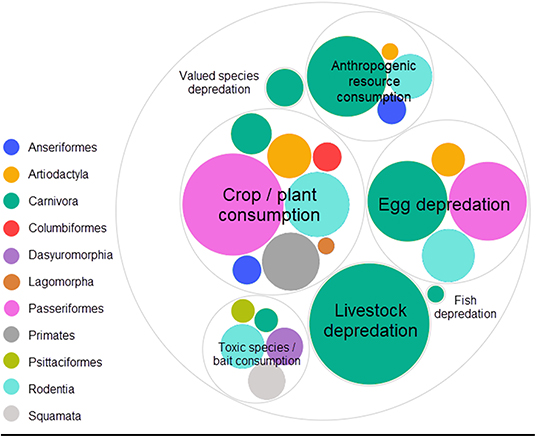
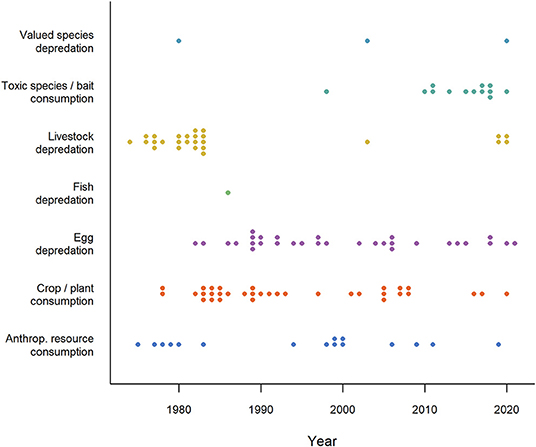
On the 13th of October, our review on an animal behaviour-based conservation intervention appeared online in Frontiers in Conservation Science. In this review, we visually, quantitatively and narratively synthesize the existing (English) evidence-base on the effectiveness of conditioned taste aversion (CTA) in human-wildlife conflict contexts. By evaluating this literature in the view of learning principles we were able to compose a decision-support table to guide future applications of this technique. Working with all coauthors for the first time, this project has taught me a lot about learning theory and the state-of-the-art application of it in conservation.

Modern wildlife management has dual mandates to reduce human-wildlife conflict (HWC) for burgeoning populations of people while supporting conservation of biodiversity and the ecosystem functions it affords. These opposing goals can sometimes be achieved with non-lethal intervention tools that promote coexistence between people and wildlife.

CTA has been applied to a wide range of animal taxa (57 (sub)species, 26 families and 11 orders)

One such tool is conditioned taste aversion (CTA), the application of an evolutionary relevant learning paradigm in which an animal associates a transitory illness to the taste, odor or other characteristic of a particular food item, resulting in a long-term change in its perception of palatability. Despite extensive support for the power of CTA in laboratory studies, field studies have exhibited mixed results, which erodes manager confidence in using this tool.

Application of CTA in various human-wildlife conflict categories across time

In this paper, we review the literature on CTA in the context of wildlife conservation and management and discuss how success could be increased with more use of learning theory related to CTA, particularly selective association, stimulus salience, stimulus generalization, and extinction of behavior. We apply learning theory to the chronological stages of CTA application in the field and illustrate them by synthesizing and reviewing past applications of CTA in HWC situations. Specifically, we discuss (1) when CTA is suitable, (2) how aversion can be most effectively (and safely) established, (3) how generalization of aversion from treated to untreated food can be stimulated and (4) how extinction of aversion can be avoided.

For each question, we offer specific implementation suggestions and methods for achieving them, which we summarize in a decision-support table that might be used by managers to guide their use of CTA across a range of contexts. Additionally, we highlight promising ideas that may further improve the effectiveness of CTA field applications in the future. With this review, we aspire to demonstrate the diverse past applications of CTA as a non-lethal tool in wildlife management and conservation and facilitate greater application and efficacy in the future.

Reference
Snijders, L., Thierij, N. M., Appleby, R., St Clair, C. C., & Tobajas, J. (2021) Conditioned taste aversion as a tool for mitigating human-wildlife conflicts. Frontiers in Conservation Science, 72: 744704

Communication, Conservation

Exploring Conservation Conflicts: New format

For our Exploring Conservation Conflicts blog, we are trying out a new format: personal contributions. We already got two wonderful personal stories tackling very different but important questions in conservation. Check them out!

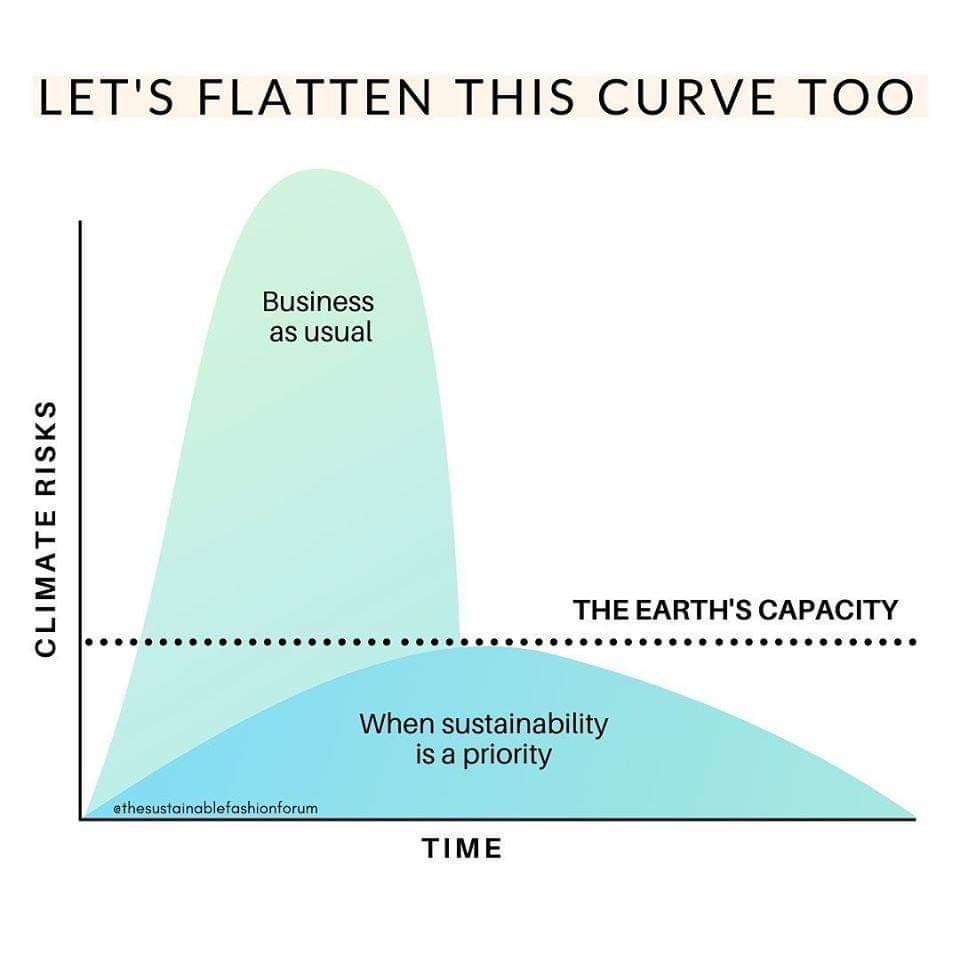
Climate change is one of the greatest challenges humans have ever faced. This exploration is a personal account of the role that climate change plays in the daily life of researcher Dr Yann Gager. Yann explains to us what individual researchers can (and should?) do to help the fight against climate change. Read more

flatten the curveIn conservation, often a choice has to be made for the lesser of two evils. How can conservationists cope with such situations of seemingly inevitable loss? Here, we share a personal contribution from Dr Chelsea Batavia, in which she takes us along in the background story of her recent publication The moral residue of conservation, addressing exactly this issue. Read more

Conservation, Science

Green vs Green dilemma

Tanja and I recently published our fifth Conservation Conflict Exploration. We asked experts from a wildlife ecology and a human dimensions background to share their perspectives on wind turbines and wildlife with us.

The development of wind turbines in Germany is a controversial topic. While wind turbines promise to contribute to climate conservation goals in this century, the ongoing negative impact of wind turbines on airborne wildlife such as bats and birds is undeniable. Hence, the situation around wind turbines is labelled by some as a green versus green dilemma. In this exploration, we asked two experts, Marcus Fritze, a wildlife biologist, and Sophia Kochalski, a conservation social scientist, the following three questions:

  • In your own words, could you briefly describe the situation to us?
  • Why do you think is it so difficult to find consensus among stakeholders?
  • Considering your expertise, what could be one approach to mitigate this conflict?

MF_WKA_RBB
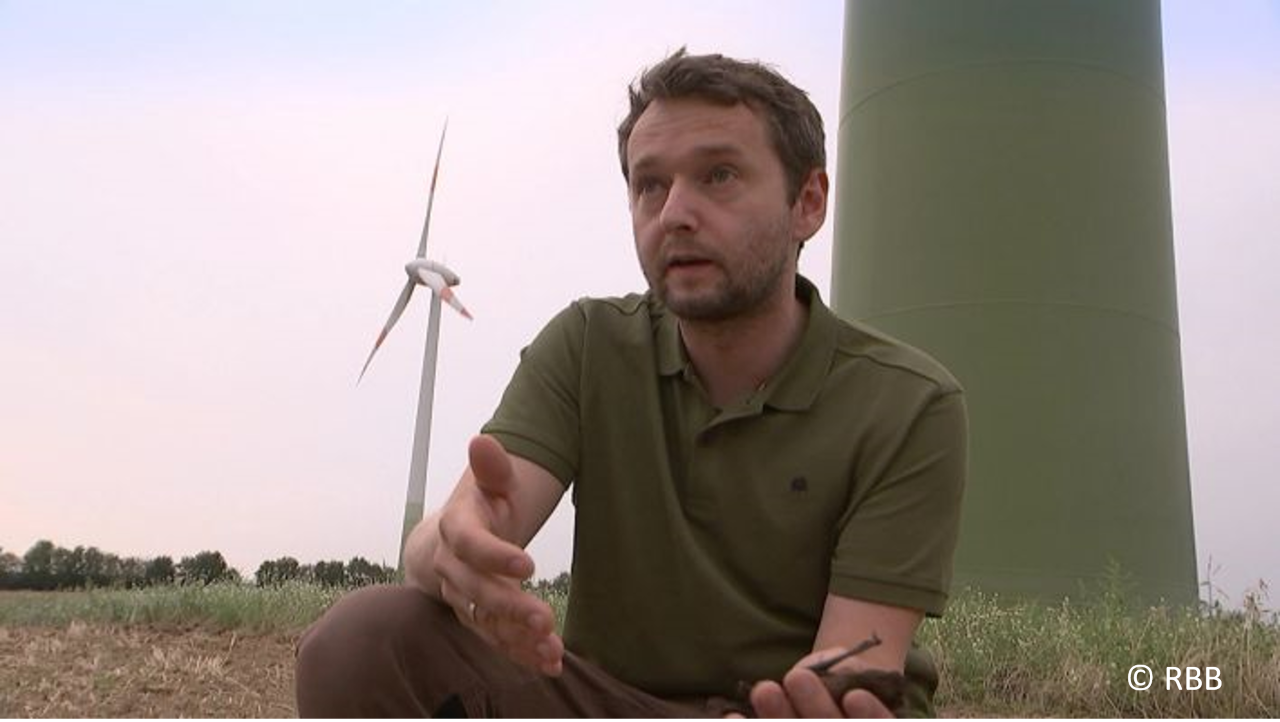
Marcus Fritze (c) RBB

I think that it is possible to run wind turbines bird- and bat-friendly and economically acceptable at the same time. The difficulty is greed. – Marcus Fritze

DSCI0075
Sophia Kochalski

Compromises can be made by both sides when planning wind farms. – Sophia Kochalski

Interested in how these expert’s views on this ‘wicked problem’ and their solutions? Then check out the blog post here. And while you’re at it, have a look at our twitter account.